
Earthquake and Tsunami Preparedness on the North Coast: A Practical Checklist
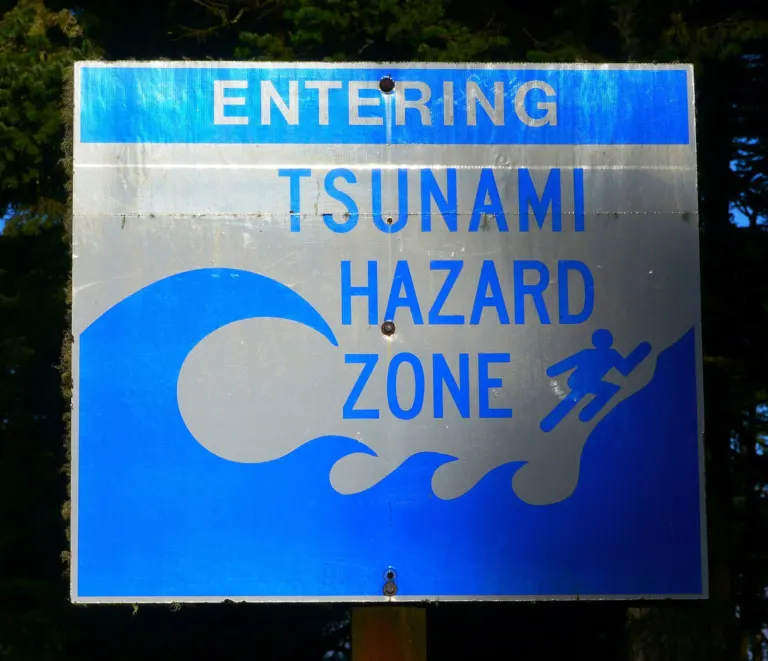
Photo: Joe Mabel / Wikimedia Commons, CC BY-SA 4.0.
Scientists can’t predict when the Cascadia Subduction Zone will produce its next great earthquake, but they agree it will happen. When it does, the North Coast faces strong shaking, a tsunami within minutes and possibly weeks of isolation, with damaged roads such as U.S. 101, U.S. 26 and U.S. 30, plus power, water and communications outages. Being prepared at home is the best protection.
During the shaking: Drop, Cover, Hold On
Drop to your hands and knees, take cover under a sturdy table or desk, and hold on until the shaking stops. If you’re near the beach or in a low-lying area, move to high ground on foot as soon as the shaking ends. Don’t wait for an official warning. Our tsunami map guide explains how to plan a route.
Be “2 Weeks Ready”
Oregon emergency managers recommend storing supplies to last at least two weeks:
- Water: about one gallon per person per day, plus water for pets, along with a way to treat more
- Food: non-perishable food you’ll actually eat, plus a manual can opener
- Medical: prescription medicines, a first-aid kit, glasses and other medical supplies
- Power and light: flashlights, headlamps, batteries, a hand-crank or battery radio and phone chargers
- Sanitation: a two-bucket toilet system, bags, hygiene supplies
- Documents and cash: copies of IDs, insurance papers and some cash in small bills
- Warmth: sturdy shoes, rain gear and blankets for every member of the household
Keep a smaller go-bag by the door or in the car in case you have to evacuate.
Protect your home
- Strap water heaters and tall furniture to wall studs.
- Know how and when to shut off gas and water.
- Older wood-frame homes can be bolted to their foundations. Ask a contractor about a seismic retrofit, and check for state or local grant programs.
- Consider whether an earthquake insurance policy makes sense for you.
Make a family plan
Pick a meeting place outside the tsunami zone and an out-of-area contact everyone can call or text. Make sure children know what their schools will do. Many North Coast schools sit at or near the tsunami zone, and some districts have moved or are planning to move campuses to higher ground.
Alerts and training
- Sign up for alerts through Clatsop County’s emergency notification system, and turn on Wireless Emergency Alerts on your phone.
- Community Emergency Response Team (CERT) training, offered periodically on the coast, teaches basic disaster first aid, light search and rescue and neighborhood organizing.
- Many neighborhoods and towns have volunteer preparedness groups that hold workshops and help set up neighborhood supply caches.
Sources: Oregon Office of Emergency Management (2 Weeks Ready); Clatsop County Emergency Management; Oregon Department of Geology and Mineral Industries; Great ShakeOut Earthquake Drills; FEMA Ready.gov.


 By
 By