When the Sea Turns Deadly: The March 2012 Losses and Commercial Fishing Safety on the Northwest Coast
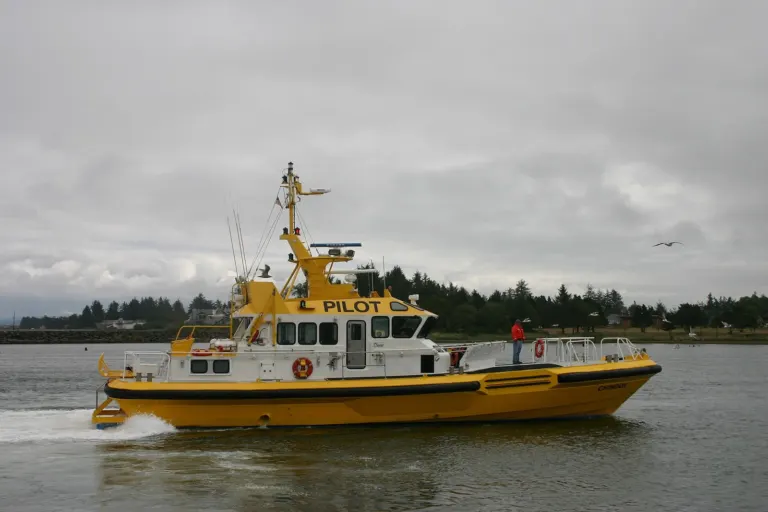
Photo: Ian Poellet / Wikimedia Commons, CC BY-SA 4.0.
Commercial fishing is consistently one of the most dangerous jobs in the United States, and the Northwest coast, with its winter storms, steep seas and shallow river bars, is among the hardest places to work. That risk was clear over one weekend in March 2012, when accidents off Oregon and southwest Washington killed six people within about 24 hours.
What happened that weekend
Three separate incidents happened as a run of rough weather moved through the region:
- Off Willapa Bay, Washington, north of the Columbia River, the trawler Lady Cecelia went down. The four people aboard, including a federal fisheries observer, were lost. The Coast Guard searched by air and sea for more than a day before suspending the search.
- Near the mouth of the Rogue River at Gold Beach, a small boat working commercially capsized, and both fishermen aboard died.
- At Newport, a vessel ran aground on the Yaquina Bay jetty. Everyone aboard survived.
The losses hit fishing communities from Warrenton and Ilwaco to Newport and the south coast. The Lady Cecelia was well known on the Columbia River waterfront. Federal investigators later looked into the sinking, as they do for major marine casualties.
Why the Northwest is so hard on fishing boats
- Bar crossings. Most Oregon fleets have to cross a river bar to reach the ocean. On the bars, swells coming in from the Pacific meet the outgoing current over shallow water. The Columbia River bar is the best known, but smaller bars can be just as unforgiving.
- Winter fisheries. High-value seasons such as Dungeness crab run through the stormiest months of the year.
- Cold water. In Northwest ocean water, a person can lose strength and dexterity within minutes. Survival suits, life rafts and emergency beacons are what make a rescue possible.
The safety rules today
Since 2012, federal requirements for commercial fishing vessels have tightened, largely under the Coast Guard Authorization Acts of 2010 and 2012:
- Mandatory dockside safety examinations. Vessels that operate beyond 3 nautical miles from the baseline, or carry more than 16 people, must pass a Coast Guard dockside safety exam at least once every five years. Vessels that carry a federal fisheries observer need one every two years, and the Coast Guard recommends an exam every two years for everyone.
- Required equipment. Depending on vessel size and where it operates, this includes immersion suits, life rafts or other survival craft, EPIRBs (emergency position-indicating radio beacons), fire extinguishers and flares.
- Drills and training. Crews must practice emergency drills, and a drill conductor must have completed approved training.
Exam requirements and checklists are available online, and the Coast Guard offers free, no-penalty dockside exams so owners can find and fix problems before a required exam. For that reason, the Coast Guard encourages owners to request an exam early.
Training on the North Coast
Fishermen on the coast can take safety and survival courses through organizations such as the Alaska Marine Safety Education Association and Oregon Sea Grant partners, and maritime programs such as those at Clatsop Community College’s MERTS campus near Astoria offer vessel safety and licensing training. Many skippers say regular drills in survival suits and with life rafts are the most valuable part.
Checking conditions before crossing
Before crossing, check the National Weather Service marine forecast and the Coast Guard’s bar restrictions, which are broadcast on VHF radio and posted by local stations when conditions are hazardous. A bar can be closed to recreational and uninspected small boats even when larger vessels are still crossing.
Sources: U.S. Coast Guard, Commercial Fishing Vessel Safety Program and Pacific Northwest dockside exam information; National Institute for Occupational Safety and Health (NIOSH), commercial fishing safety; National Weather Service Portland, marine forecasts; Coast Guard news releases, March 2012.

 By