Captain Robert Gray and the 1792 crossing that named the Columbia
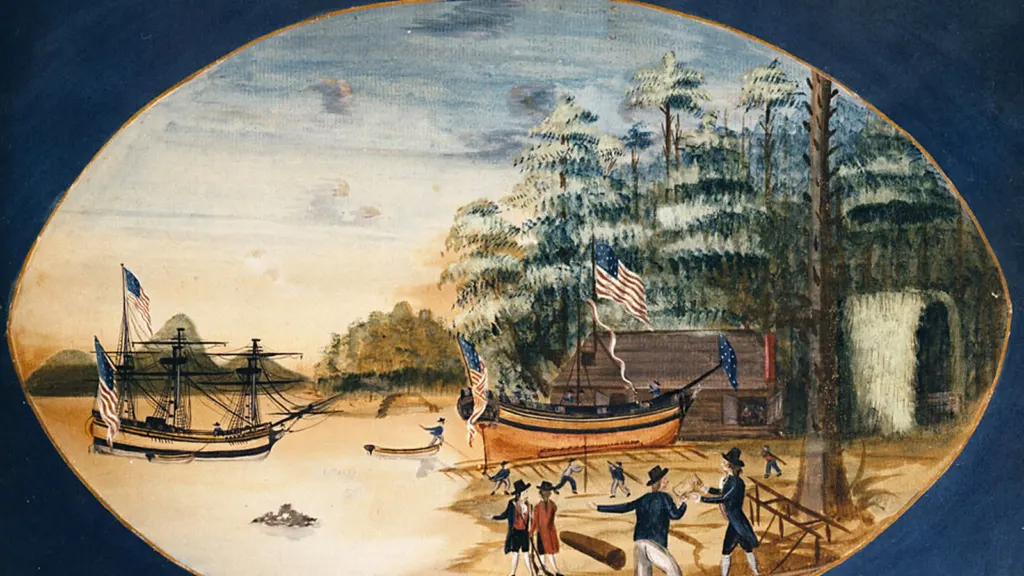
Photo: George Davidson, artist painter who served on board the Colu, public domain, via Wikimedia Commons.
Robert Gray was a Boston sea captain in the maritime fur trade, a business that took American ships around Cape Horn to the Northwest Coast to buy sea otter pelts, which were then sold in China. On an earlier voyage he became the first American captain to sail around the world.
In May 1792, commanding the ship Columbia Rediviva, Gray crossed the bar at the mouth of a great river that European explorers had suspected but failed to enter. He spent about nine days trading with Chinook people along the lower river and named it after his ship.
The importance of the crossing
The crossing gave the United States a claim to the Columbia region, which American diplomats later cited in negotiations with Britain. A few months later, George Vancouver’s expedition sent a boat upriver, building on Gray’s information.
Gray also entered and charted the harbor now known as Grays Harbor in Washington. His voyages were commercial ventures, not government exploration, and his crew’s encounters with Native people were sometimes violent, including the burning of a village on Vancouver Island in 1792.
Local memory
Gray died at sea around 1806. On the North Coast his name is everywhere. Astoria has a school and a street named for him, and the Garibaldi Museum focuses on Gray and his voyages, including a full-size replica figurehead of his ship. The Columbia River bar he crossed is still one of the most dangerous in the world, crossed daily by bar pilots and Coast Guard crews.
 By
 By