Astoria voters reject vacant homes excise tax
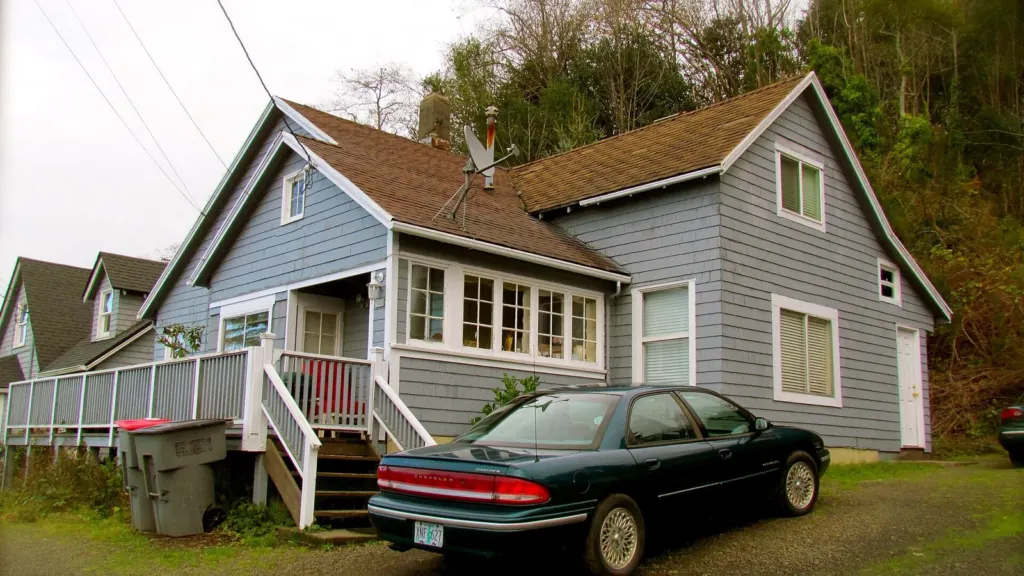
A residential streetscape in Astoria. Photo: Jeff Gunn from Atlanta, USA, CC BY 2.0, via Wikimedia Commons.
Astoria voters rejected Measure 4-247, a proposed excise tax on vacant homes, by a wide margin on election night, ending a citizen initiative that had split the city’s housing debate for months.
Preliminary returns showed nearly 3,000 votes against the tax and just under 1,800 in favor, KMUN reported. Final certification is still weeks away, but the gap is large enough that remaining ballots are unlikely to flip the result.
The measure would have charged $3,000 for the first year a home sat vacant and $6,000 each year after. Primary residences were exempt even if owners traveled for work. Exemptions covered renovations, medical issues and financial hardship. Backers estimated about 300 houses would qualify and projected roughly $1 million in first-year revenue for a community housing fund aimed at affordable and workforce units.
How it reached the ballot
Organizers gathered enough signatures to force a City Council hearing. Councilors chose to send the proposal to voters rather than adopt it themselves. Real estate groups, including the Clatsop Association of Realtors, filed voters’ pamphlet arguments calling the tax a risky experiment and a burden on homeowners.
Supporters cast empty houses as a drag on neighborhood life in a city where service workers already struggle to find year-round rentals. Opponents said the definition of “vacant” would snare snowbirds, estates in probate and owners between tenants, and that a new tax would not pour a foundation by itself.
Similar vacant-home taxes have been debated in other West Coast tourism towns. Astoria’s version never made it past a first election night.
What Astoria did pass
Voters approved Measure 4-245, which requires City Council approval for mayoral appointments and removals. They turned down Measures 4-244 and 4-246, which would have expanded the council and rewritten sections of the charter.
The mayor’s race remained close in Wednesday’s update, with Laura Parker narrowly ahead of Sean Davis. Ward 1 and Ward 3 council races also stayed unsettled pending later counts. Without the vacant-homes tax, the housing fund idea returns to council work sessions, state grants and nonprofit capital stacks — slower tools than a dedicated levy, and the ones Astoria still has on the table.
Astoria’s housing shortage will not wait for the next initiative cycle. City planners still have inclusionary zoning tools, state housing money and negotiations with owners of underused upper floors downtown. The vacant-homes tax was the blunt instrument on this ballot. Voters put it back on the shelf. What they did not put away is the complaint that brought it forward: too many dark windows on streets where workers cannot find a lease.
KMUN’s election-night count may shift a few dozen votes as late ballots arrive, but not enough to revive Measure 4-247. Organizers who spent months on signatures now have to decide whether to rewrite a narrower proposal, push council for a rental registry, or pivot to nonprofit acquisition funds. Each path is slower than a tax that would have started billing next year.
Realtors who opposed the measure will treat the result as proof Astoria will not experiment with vacancy penalties. Housing advocates will treat it as proof the city still lacks a dedicated local revenue stream for workforce units. Both readings can be true at once. The next useful fight is over which tool replaces the one voters just refused.
Astoria’s next housing report to council will land without the vacant-tax line item that organizers wanted. Staff can still tally empty units; they just cannot bill them under 4-247. That data, if the city keeps collecting it, may become the basis for a narrower second try — or for proving the problem was overstated. Either finding would be more useful than another slogan season.
Add North Coast Oregon as a preferred source on Google (opens in a new tab)

 By

 By